By the request of the Vajrayana Foundation Ngondro Program, Thadral Tulku Rinpoche began a new monthly Ngondro Teaching Series on “How to Meditate with Confidence” which coincidently began in January 2023. Because the Annual Ngondro Retreat occurred in April, here is a brief review of the March 8th teaching to prepare us for the upcoming Monthly Ngondro Teaching on May 10th at 5 pm. If you are a Ngondro Program Participant, please watch your registered email for the YouTube link to join by livestream. You will find a list of the YouTube Teaching links from January to current at the end.
“Omniscient Wisdom arises from the root of compassion.
It arises from the object of Bodhicitta.
And through skillful means it is perfected. “
~ Shakyamuni Buddha
“Whether we are doing Ngondro Practice or whether we are doing some other Main Practice, all the practices we do have to encompass the view or be sealed with the view. First, we establish our understanding of the view through study and reflection and study that meaning. From this, I will begin the teaching on the stages of meditating on the view.
Whether we are trying to have the authentic view of our mind stream or whatever kind mediation, we must first begin with laying the foundation for Shamata or Vipassana Meditation. The ultimate goal is accomplishing perfect omniscience or state of complete and perfect Buddhahood, the way to accomplish what Buddha Shakyamuni taught in the sutras.
Whatever practice we are engaged in, before we begin, it is important for us to cultivate compassion, to cultivate the mind of Bodhicitta, set our motivation in that way.
Setting our motivation is indispensable and extremely important to do before whatever practice we do. With all the Mahayana practices that we, whether the practice is dharma or not, depends on bodhicitta.
We need to understand that all the worldly and transcendent virtues of the Buddhas are all the result of Shamata and Vipassana.
What things do we need to understand Shamata and Vipassana?
To be able to practice Shamata we need to distance from physical busyness and metal concepts. In order to have Vipassana arise in our mind stream, we must rely on sublime beings and study and reflect on the teachings.
What foundation do we need to study and reflect on the teachings? “
Thadrul Tulku Rinpoche takes us step by step in explaining:
- The Five Faults and How to identify the Five Faults
- The Eight Antidotes to Understand to Abandon the Five Faults
- Familiarization of the Nine Methods to Still the Mind
- The Six Powers to Meditate
- Four Ways to Accomplish Meditative Concentration
If we practice in this way, the five samadhis will surely arise in our mind stream.
“Our minds are like untamed wild horses. we must tie them up with the rope of mindfulness, put them in the pen of equanimity, and place the bit of diligence in their mouth.”
“It is rare to find people who practice according to these instructions, but it is so good to understand these instructions, it helps with learning about the dharma, to have some knowledge and understanding about the dharma and that is why I wanted to share this with you. Later when we get into the actual main part of the meditation practice, it will be easier to understand.”
Rinpoche notes:
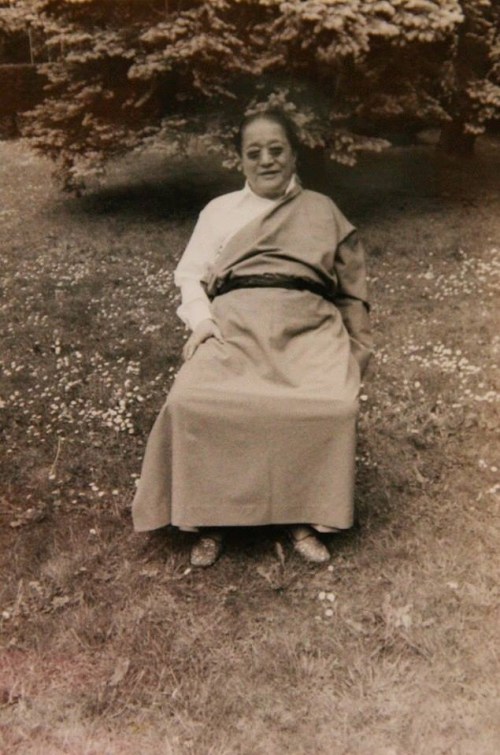
This teaching has been based on Patural Rinpoche’s teaching.
Familiarize or refresh yourself by listening to this March 8th teaching:
How to Meditate with Confidence, Part 3
https://youtube.com/live/4KJjxrKnkEw?feature=share
Here are the links from the beginning of the
How to Meditate with Confidence Series
How to Meditate with Confidence, Part 1, January 25, 2023
https://youtu.be/tgC21GzJX90
How to Meditate with Confidence, Part 2, February 8, 2023
https://youtube.com/live/fxYf5rChHdk?feature=share
How to Meditate with Confidence, Part 4, May 10th at 5pm
Dudjom Tersar Ngondro Program of the Vajrayana Foundation
partial transcript by Sonam 04-24-23